


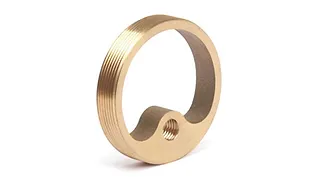
Metal Forming is how metals shape into the desired form.
Depending on the manufacturing process, it can involve shaping dipped or electroplated parts in a semi-automated machine or fully automated press (puddle-forming).
In forging, Metal is hammered, pressed, or rolled into shape.
A die, press, or hammer uses in this process.
Metal forming or molding is the process of heating and shaping Metal into a suitable shape for a specific use or purpose.
In addition to increasing the material’s structure, conductivity, and longevity, it also increases its longevity.
Forging is an excellent and diverse medium for many industries with economically sound processes and specific mechanical properties.
Forging can be classified as cold, warm, or hot based on the temperature at which it takes place.
As a metal component, forging manipulates steel into a particular shape.
Various types of forging are available, each with its advantages.
In Tiroflx, we conduct Metal forging for our customers, allowing them to have more manufacturing options.